Too Hot, Too Cold, or Just Right? How to Choose Between Climate Control and Regular Storage
Too Hot, Too Cold, or Just Right? How to Choose Between Climate Control and Regular Storage
Choosing a storage unit might seem simple at first, but once you start thinking about what you are actually storing, the decision quickly becomes more nuanced. Some belongings can handle a wide range of conditions without issue, while others require a much more stable environment to stay in good shape. That is where the distinction between climate-controlled storage and regular storage begins to matter.
If you have been researching storage options in Manhattan, Kansas, you have probably noticed that both options are available. However, the right choice depends on more than just availability or price. It depends on how the local climate interacts with your belongings and how long you plan to store them. Manhattan, Kansas, is known for its seasonal variety, and that variety plays a direct role in storage conditions. Summers can bring heat and humidity, while winters often introduce freezing temperatures. Because of this, items stored without protection can expand, contract, or even deteriorate over time. With that in mind, understanding the differences between these two storage types can help you make a more informed and confident decision.
What Makes Climate Control Storage Different
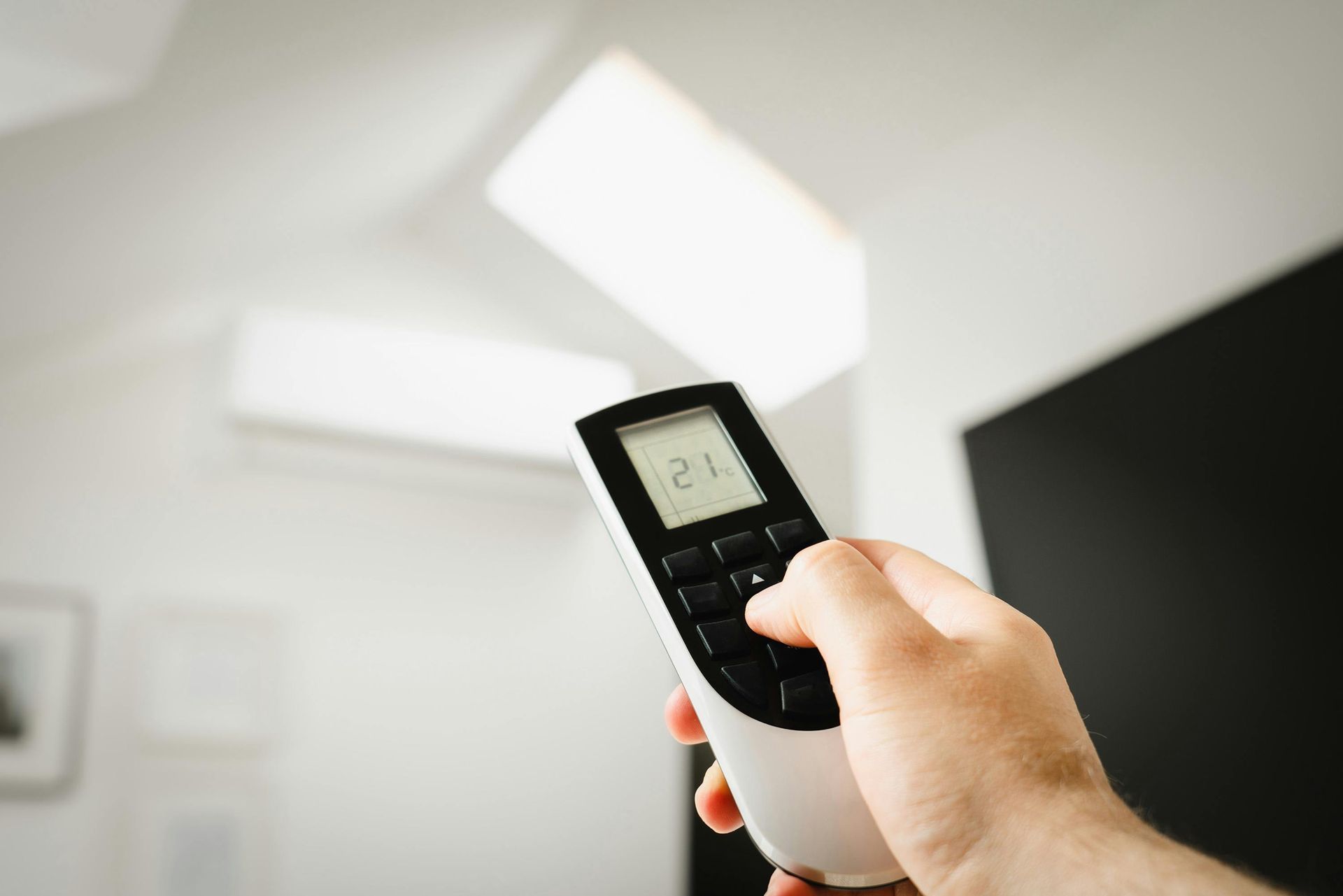
To begin with, climate-controlled storage is designed to create a consistent indoor environment. Instead of allowing outdoor conditions to dictate what happens inside your unit, these spaces regulate both temperature and humidity. As a result, your belongings are shielded from the extremes that naturally occur throughout the year.
This becomes especially important in regions like Manhattan. Kansas experiences significant temperature swings between seasons, which can put stress on materials that are sensitive to change. Over time, these fluctuations can lead to warping, cracking, or moisture damage, particularly for items that are not built to withstand environmental shifts. In contrast, climate-controlled units maintain a stable range that minimizes these risks. For anyone storing items long-term or keeping valuables in storage, this consistency often provides peace of mind. If you are still curious about how this works locally, the breakdown in this guide on climate control storage in Manhattan, Kansas, adds helpful context.
Understanding Regular Storage in Practical Terms
On the other hand, regular storage offers a more basic solution. These units are secure and enclosed, but they do not regulate internal conditions. Instead, they reflect the outdoor environment, which means temperatures inside the unit rise and fall with the seasons.
At first glance, this may not seem like a major concern. After all, many everyday items are designed to handle normal environmental exposure. However, the key difference lies in the intensity and duration of those conditions. For example, a hot summer day in Manhattan can lead to significantly higher temperatures inside a closed storage unit, especially when heat builds over time.
That said, regular storage still serves an important purpose. It is often more cost-effective and works well for items that are durable or designed for outdoor use. The challenge is not whether regular storage is good or bad, but rather whether it aligns with the specific needs of what you plan to store.
Why Manhattan’s Climate Plays Such a Big Role
As you weigh your options, it helps to take a closer look at the local environment. Manhattan sits in the Flint Hills region, an area known not only for its scenic beauty but also for its seasonal contrasts. Residents and visitors alike enjoy outdoor destinations like Konza Prairie and Tuttle Creek Lake, which highlight just how dynamic the weather can be throughout the year.
Because of these changing conditions, storage units experience a wide range of temperatures and humidity levels. During summer, heat and moisture can build up inside non-climate-controlled spaces. In winter, freezing temperatures can make certain materials brittle or prone to cracking. Therefore, your storage choice should take these factors into account. Climate control acts as a buffer against these environmental shifts, while regular storage exposes your belongings to them. The more sensitive your items are, the more important this distinction becomes.
Which Items Truly Need Climate-Controlled Storage
At this point, you might be wondering whether your belongings actually require climate control. While not everything needs it, certain categories of items benefit significantly from a stable environment. Electronics are a clear example. Devices such as televisions, laptops, and audio equipment contain delicate components that can be damaged by both heat and moisture. Even small amounts of humidity can lead to corrosion over time, especially if items are stored for several months or longer.
Similarly, wooden furniture tends to react to temperature changes. As conditions fluctuate, wood expands and contracts, which can lead to warping or cracking. Upholstered furniture also faces risks, since fabric can trap moisture and create conditions where mold or mildew may develop. Paper-based items, including books, photographs, and important documents, are equally vulnerable. Humidity can cause pages to curl, ink to fade, and surfaces to deteriorate. For anything with sentimental or long-term value, maintaining a consistent environment often helps preserve its condition.
When Regular Storage Is the Better Fit
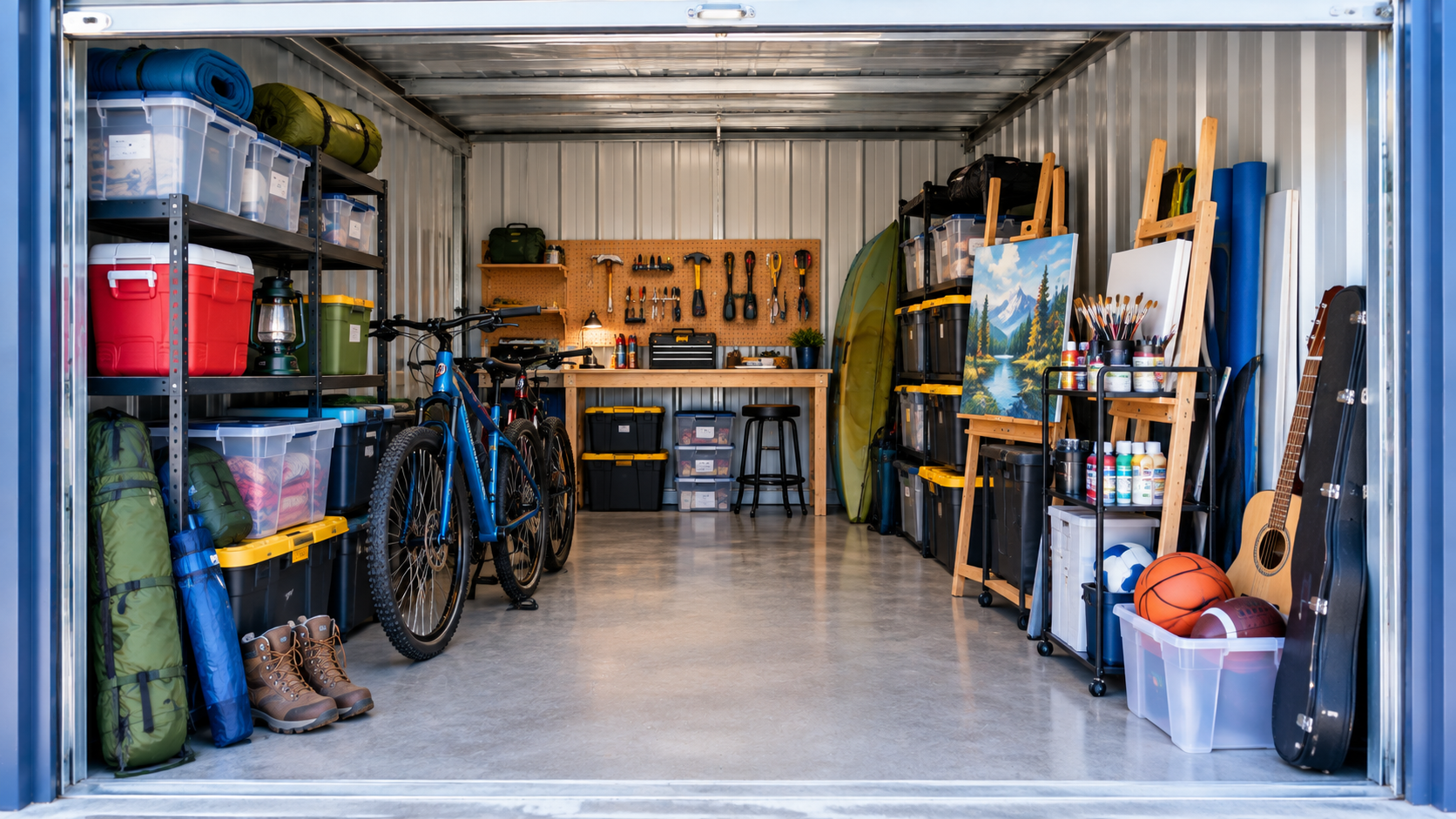
Even though climate control offers added protection, it is not always necessary. In fact, there are many situations where regular storage is a practical and effective choice. For instance, items that are already designed for outdoor use typically handle environmental changes without issue. This includes tools, lawn equipment, and certain types of sports gear. These items are built with durability in mind, which makes them less sensitive to temperature fluctuations.
Additionally, regular storage can work well for short-term needs. If you are storing items for a brief period and the weather is relatively mild, the risk of damage is lower. However, timing still matters. A short-term rental during peak summer or winter conditions in Manhattan may still expose your belongings to extreme temperatures. Ultimately, regular storage is about matching durability with the environment. When those two factors align, it can be a simple and cost-conscious solution.
Balancing Cost with Long Term Value
Another important consideration is cost. Climate control storage typically comes at a higher monthly rate due to the systems required to maintain stable conditions. While this may initially seem like a drawback, it is helpful to think about the long-term impact. For example, replacing damaged furniture, electronics, or important documents can quickly exceed the cost difference between storage types. In that sense, climate control is less about convenience and more about prevention. It helps reduce the likelihood of damage that could become expensive or irreversible.
That said, budget considerations are still valid. If you are storing items that are not sensitive to environmental changes, regular storage may provide the right balance between affordability and functionality. The goal is not to spend more, but to spend wisely based on what you are storing.
How Lifestyle in Manhattan Influences Storage Needs
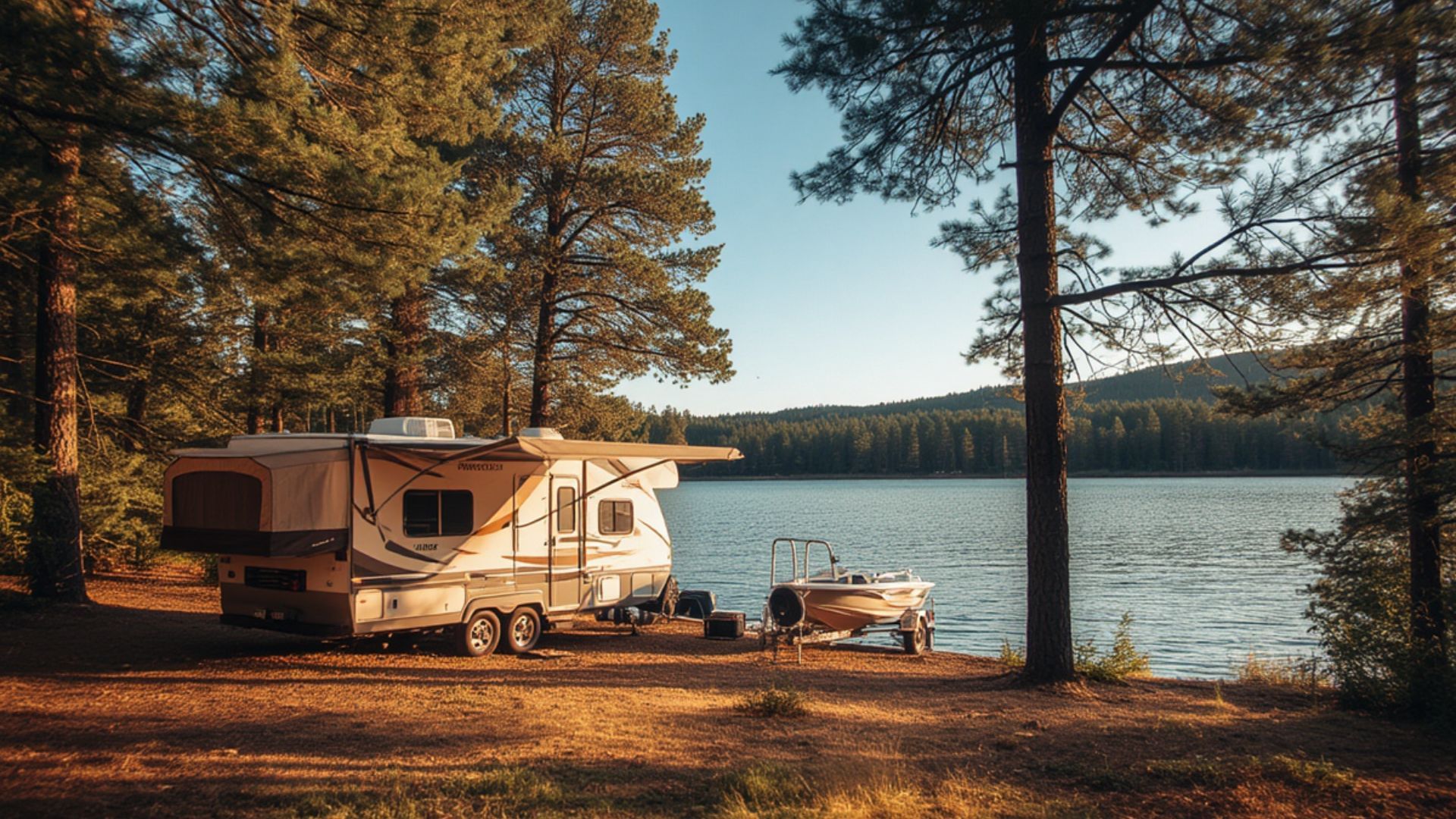
Beyond climate and cost, lifestyle also plays a role in choosing the right storage option. Manhattan offers a mix of university life, local events, and outdoor recreation, which often shapes the types of items people need to store. For example, someone who frequently visits Tuttle Creek Lake might store kayaks or camping gear that can withstand regular storage conditions. Meanwhile, a collector, musician, or hobbyist may need a more controlled environment for instruments, artwork, or memorabilia.
Because of this, your storage decision often reflects how you live and what you value. Items that support everyday activities may require less protection, while items with personal or financial significance may benefit from climate control.
Bringing It All Together
At this stage, the choice between climate-controlled storage and regular storage becomes clearer. It is about understanding how your belongings interact with their environment and selecting the option that protects them appropriately. Climate control storage provides stability, which is especially valuable in a place with seasonal extremes like Manhattan, Kansas. Regular storage offers simplicity and affordability, making it a strong option for durable items or shorter storage periods. By considering factors such as item sensitivity, storage duration, and local climate, you can make a decision that aligns with your needs without overcomplicating the process.
The climate in Manhattan, Kansas, adds an important layer to that decision, making it worthwhile to carefully consider how temperature and humidity may affect your belongings over time. As you continue exploring storage options in Manhattan, Kansas, keeping these differences in mind can help you choose with confidence. A thoughtful decision now can go a long way toward preserving the condition and value of your items for the future.