FAQ Climate Control: A Complete Guide to Protecting Your Belongings in Manhattan, Kansas
When people begin researching storage solutions, one term tends to appear again and again: climate control. At first glance, it can seem like an optional upgrade rather than a necessity. However, once you start considering how temperature and humidity affect everyday items, the concept becomes much more relevant. If you are exploring storage options in Manhattan, Kansas, especially near Plymate Lane, understanding climate-controlled storage can help you make a more thoughtful and informed decision.
Manhattan is known for its changing seasons, and while that variation adds to the charm of the area, it also introduces challenges when storing belongings. From warm, humid summers to freezing winter temperatures, the environment can quietly impact items over time. Because of this, climate-controlled storage is not just about comfort. It is about consistency and protection.
What Is Climate-Controlled Storage and Why Does It Matter?
To begin with, climate-controlled storage refers to units that maintain a stable internal environment. Typically, this means keeping temperatures within a moderate range while also reducing humidity levels. Unlike traditional storage units, which are exposed to outdoor conditions, these units are designed to limit fluctuations that can lead to long-term damage.
This matters more than many people initially realize. Over time, repeated exposure to heat, cold, and moisture can slowly degrade materials. Wood may expand and contract, paper can become brittle, and fabrics may develop mildew. These changes do not always happen overnight. Instead, they occur gradually, which is why they are often overlooked until the damage is already done.
In a region like northeastern Kansas, where seasonal variation is common, this stability becomes especially valuable. According to the, temperature swings throughout the year can be significant. As a result, items stored without protection may experience ongoing stress from these environmental shifts.
How Climate Controlled Storage Works Behind the Scenes
At this point, you might be wondering what actually happens inside a climate-controlled unit. While it may seem simple from the outside, there is a combination of systems working together to create a stable environment. First, insulation plays a key role. It helps reduce the influence of outside temperatures, keeping the interior more consistent. In addition, HVAC systems regulate both temperature and, in many cases, humidity. This ensures that the air inside the unit does not become excessively damp or dry.
Equally important is air circulation. Proper airflow prevents stagnant conditions, which can otherwise lead to moisture buildup or uneven temperatures within the unit. Together, these elements create a controlled space that minimizes the risks associated with long-term storage. Because of this combination, climate-controlled storage is not just about avoiding extremes. Instead, it is about maintaining balance over time.
Why Manhattan, Kansas, Makes Climate Control More Relevant
Although climate-controlled storage is useful in many places, it becomes particularly relevant in areas with noticeable seasonal changes. Manhattan, Kansas, is a clear example of this. During the summer months, humidity levels can rise, creating conditions where mold and mildew are more likely to develop. On the other hand, winter brings freezing temperatures that can cause materials to contract and become brittle. When items are exposed to these cycles repeatedly, even durable belongings can begin to show signs of wear.
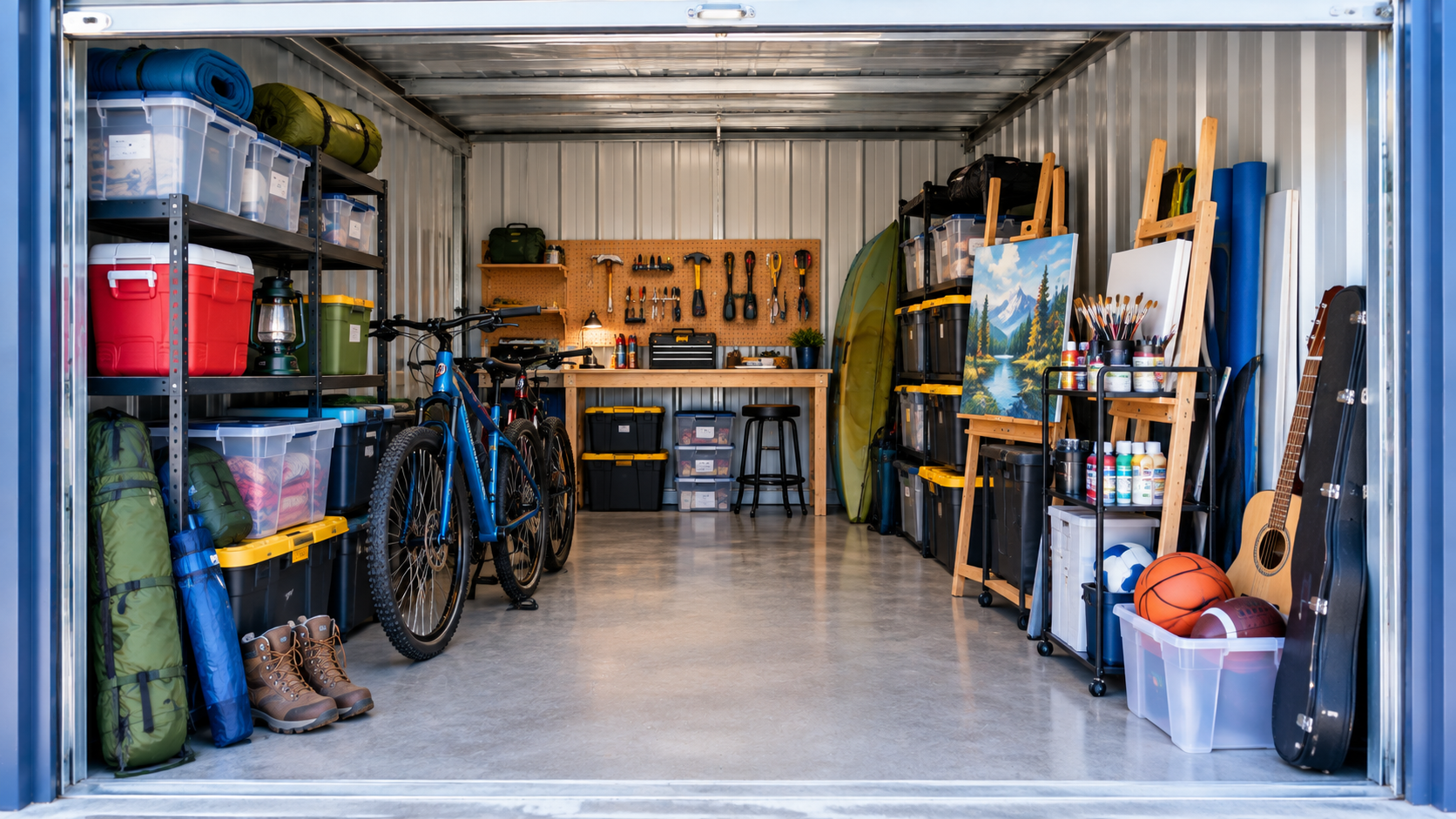
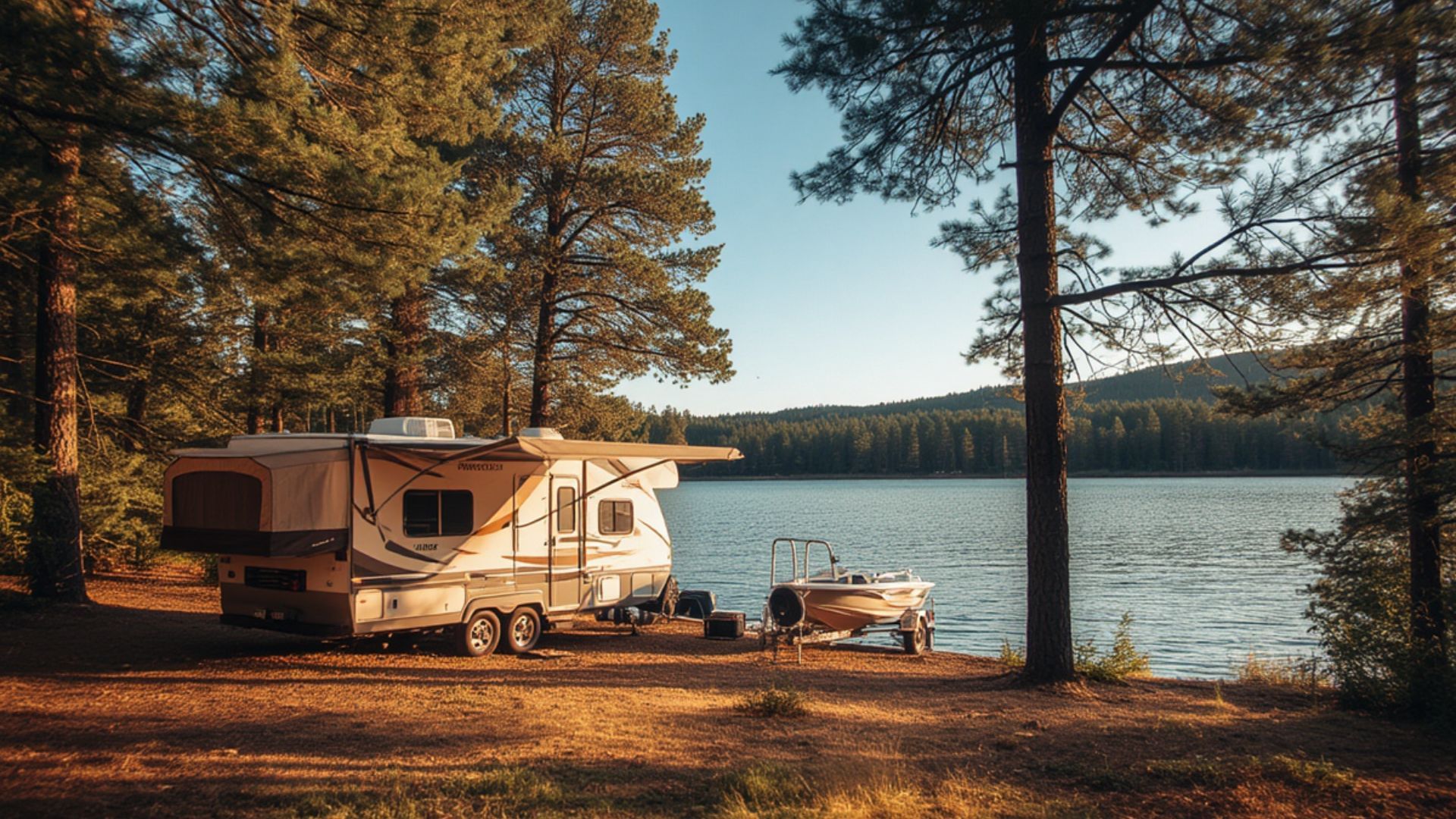
Furthermore, Manhattan’s location near outdoor destinations adds another layer to the conversation. For instance, many residents spend time enjoying activities like hiking, boating, and camping. As a result, it is common to store gear such as tents, backpacks, and equipment during the off-season. These items often contain fabrics, rubber, and metals that can degrade when exposed to fluctuating conditions. Therefore, climate-controlled storage not only protects household items but also helps maintain the quality of recreational gear that is frequently used throughout the year.
What Types of Items Truly Benefit From Climate Control?
While almost any item can benefit from a stable environment, some are particularly sensitive to temperature and humidity changes. Understanding these categories can help you decide whether climate control is necessary for your situation. For example, wooden furniture is especially vulnerable because it naturally expands and contracts with changes in humidity. Over time, this can lead to warping or cracking. Similarly, electronics are susceptible to condensation, which can damage internal components even when the device is not in use.
In addition, paper-based items such as books, documents, and photographs can deteriorate quickly in humid conditions. Ink may fade, pages can stick together, and important records may become unreadable. To summarize, climate-controlled storage is often recommended for:
- Furniture made of wood or leather
- Electronics and appliances
- Documents, books, and photographs
- Clothing made from delicate or natural fabrics
- Musical instruments
- Artwork and collectibles
Even if an item does not seem fragile at first, extended exposure to environmental changes can still have an impact. That is why climate control is often associated with long-term storage.
Is Climate-Controlled Storage Worth the Extra Cost?
Naturally, one of the most common questions involves cost. Climate-controlled units typically come at a higher price point than standard units. However, it is helpful to look at this difference from a broader perspective. Rather than viewing it as an added expense, many people consider it an investment in protecting their belongings.
For instance, repairing warped furniture or replacing damaged electronics can be far more costly than the difference in monthly storage fees. Additionally, there is a level of reassurance that comes with knowing your items are stored in a stable environment. While it may not be necessary for every situation, it often becomes worthwhile when storing items of personal or financial value.
How Long Should You Use Climate-Controlled Storage?
Another factor to consider is the length of time your items will remain in storage. In general, the longer the storage period, the more important climate control becomes. Short-term storage during mild weather may not pose significant risks. However, when items are stored across multiple seasons, they are exposed to a wider range of conditions.
In Manhattan, this could mean transitioning from summer humidity to winter cold within a single storage period. Because of this, climate-controlled storage is often recommended for long-term use. It provides consistency, which helps reduce the cumulative effects of environmental stress over time.
Does Climate Control Eliminate All Risks?
Although climate-controlled storage offers many advantages, it is important to recognize that it is not a complete solution on its own. Proper preparation and organization still play a crucial role in protecting your belongings. For example, items should be cleaned and thoroughly dried before being placed in storage. This helps prevent moisture from being trapped inside containers. In addition, using durable storage bins instead of cardboard boxes can provide extra protection against humidity.
It is also helpful to arrange items in a way that allows for airflow. Overcrowding a unit can limit circulation, which may reduce the effectiveness of the climate control system. In other words, climate control works best when combined with thoughtful packing and storage practices.
Common Misconceptions About Climate-Controlled Storage
As you continue researching, you may come across a few misconceptions that can make the decision more confusing. One common assumption is that climate control is only necessary for high-value or luxury items. In reality, many everyday belongings can benefit from stable conditions, especially when stored for extended periods.
Another misunderstanding is that indoor storage automatically means climate-controlled. While indoor units provide some protection from outdoor elements, they do not always regulate temperature or humidity unless specifically designed to do so. Finally, some people believe that climate control is only useful in extreme climates. However, even moderate regions like Manhattan experience enough variation to impact stored items over time.
How to Decide If Climate Control Is Right for You
At this stage, the decision often comes down to a few key considerations. Think about the types of items you are storing, how long they will remain in storage, and how sensitive they are to environmental changes. If your belongings include materials that can warp, crack, fade, or develop mold, climate control is worth serious consideration. Likewise, if you are storing items for several months or longer, the benefits become more noticeable.
Exploring storage options in Manhattan, Kansas, allows you to compare features and determine which type of unit aligns with your needs. By taking the time to evaluate these factors, you can make a choice that supports both convenience and long-term preservation.
Ultimately, climate-controlled storage is about creating a stable environment in a place where conditions naturally change throughout the year. In Manhattan, Kansas, those seasonal shifts can have a gradual but meaningful impact on stored belongings. By maintaining consistent temperature and humidity levels, climate-controlled units help reduce the risks associated with long-term storage. Whether you are storing furniture, documents, or outdoor gear used around Plymate Ln and nearby recreation areas, this added layer of protection can make a difference over time.
As you continue reviewing
storage options in Manhattan, Kansas, understanding how climate control works allows you to approach the decision with greater clarity. With the right setup, your belongings can remain in better condition, ready for use whenever you need them.