Downsizing After Retirement: Making Room for Your Next Chapter
Retirement is a good time to reconsider how much space you need at home. After years of collecting furniture, family keepsakes, and household belongings, moving into a smaller house or apartment can feel like a major project. The challenge is deciding what deserves a place in your next home and what you're ready to part with.
Downsizing after retirement doesn't have to mean getting rid of everything you've spent years collecting. It means choosing what fits your current lifestyle and finding practical solutions for belongings you aren't ready to give up. For retirees in Manhattan, Kansas, exploring storage options in Manhattan can be useful when moving into a smaller home or sorting through possessions at a comfortable pace.
Start With the Home You Want to Live In
Before sorting through closets and packing boxes, consider what you want from your next home. Some retirees prefer a smaller house with less maintenance, while others want an apartment with fewer responsibilities. Your choice should reflect how you expect to spend your time during retirement. Think about which rooms you use regularly and which spaces have become unnecessary. A formal dining room that rarely gets used or an extra bedroom filled with old furniture might not need an equivalent space in your next home. Identifying these areas helps you decide what to keep before the packing begins. It's also worth considering how easily you'll move around your new home. Stairs, narrow doorways, and limited storage space can affect how practical a property feels over time. If you plan to stay there for many years, prioritize a layout that will remain comfortable as your needs change.
Create a Downsizing Plan Before Packing
Sorting through an entire household takes time, particularly when you've lived in the same place for decades. Rather than trying to clear everything in a weekend, work through one room at a time. Starting with a guest bedroom or an infrequently used closet gives you room to make decisions without disrupting your daily routine.
As you sort, separate belongings into four categories:
- Keep: Furniture, clothing, and household items you'll use in your next home.
- Give away or donate: Items in good condition that family members or others could use.
- Sell: Furniture, tools, and other possessions with resale value that you no longer need.
- Store: Belongings you want to keep but won't have room for immediately.
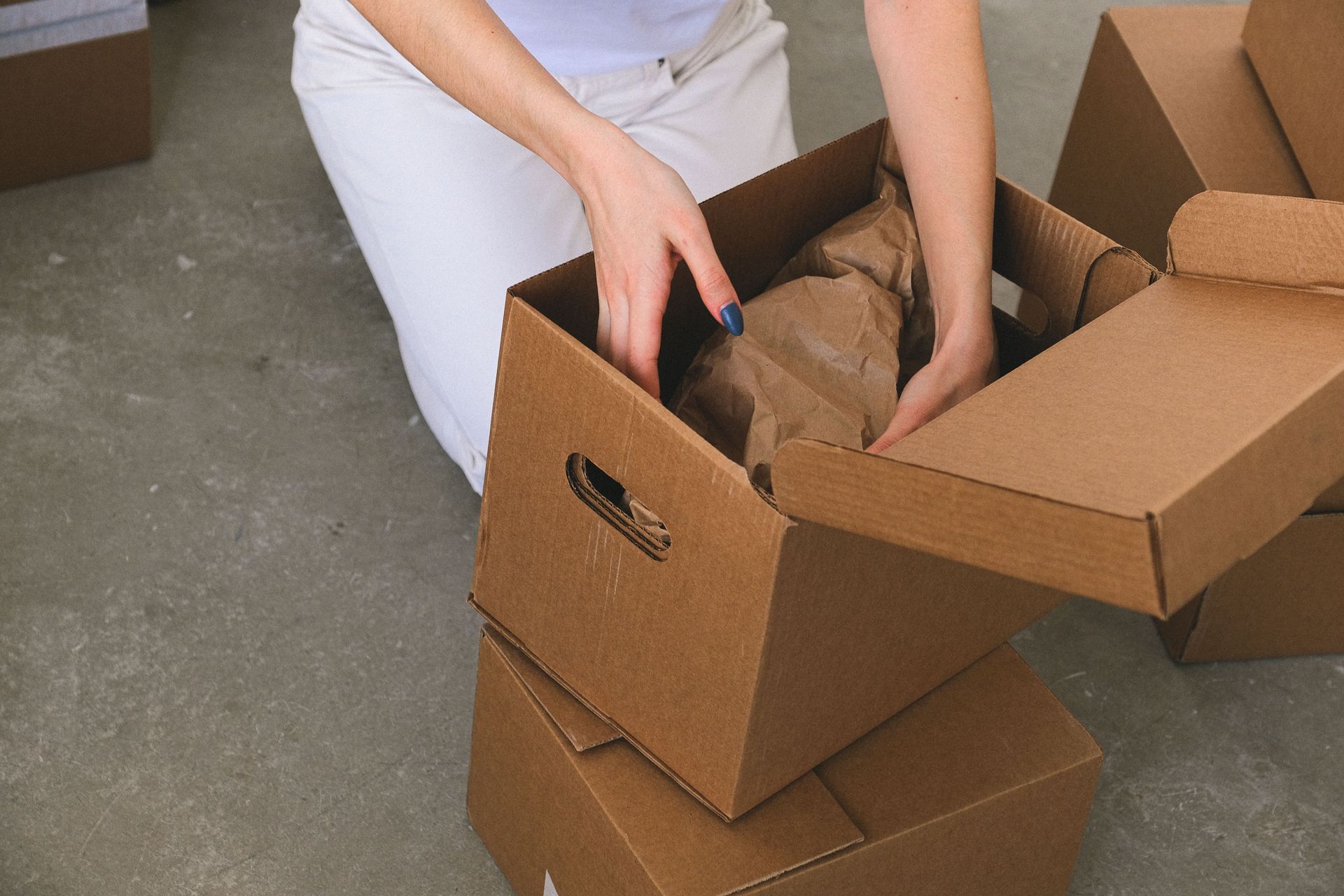
Avoid packing items before deciding which category they belong in. Otherwise, you risk paying to move boxes that you'll eventually need to unpack and sort again. Labeling containers as you work also makes it easier to locate belongings when moving day arrives.
Decide Which Furniture Fits Your New Space
Large furniture is one of the biggest challenges when downsizing after retirement. A sectional sofa that fits comfortably in your current living room might overwhelm a smaller apartment. The same applies to oversized bedroom sets, dining tables, and cabinets that were purchased for a larger house. Before moving, measure the rooms in your new home and compare those dimensions with your furniture. Check doorways and hallways as well, especially if you're bringing large pieces. A floor plan with approximate furniture placement helps you identify what will fit without crowding walkways. Don't assume every piece of furniture needs to come with you. A smaller dining table might suit your new space better than the one you've owned for years. If you're uncertain about a particular item, temporary storage gives you time to decide without forcing it into a room where it doesn't belong.
Handle Sentimental Belongings Separately
Family photographs, inherited furniture, and keepsakes are often harder to sort than everyday household items. These possessions carry memories, so deciding what to keep requires a different approach than clearing out kitchen cabinets or old paperwork. Start by identifying the belongings with the greatest personal meaning. Consider giving certain family items to relatives who would appreciate them, especially when those possessions have a connection to family history. For collections of photographs or documents, digitizing selected materials can reduce the amount of physical space needed while preserving copies of the information.
Some decisions are better made after you've settled into your new home. A storage unit provides a place for family keepsakes or inherited furniture while you decide where they belong. Still, it's worth setting a date to revisit those belongings so temporary storage doesn't become a permanent substitute for making decisions.
Use Storage During the Transition Between Homes
Moving from a larger house into a smaller property doesn't always happen on a convenient schedule. You might need to sell your current home before the new one is ready, or you may want time to organize the smaller space before bringing in additional furniture. A storage facility offers a practical option for belongings that don't need to move into your new home immediately. Instead of filling every room with unopened boxes, you can bring essential furniture and household items first, then retrieve other possessions as you determine where they belong.
At Amherst Self Storage, we offer drive-up units that allow you to park directly in front of your space when loading or unloading furniture and boxes. We also have climate-controlled units for belongings that benefit from a more consistent interior environment, including wooden furniture, photographs, and important documents. If you're coordinating the sale of one home with the purchase or rental of another, our guide to using short-term storage when moving between homes explains how to organize belongings during the transition.
Choose the Right Storage Space for Your Belongings
The amount of space you need depends on what you plan to keep outside your home. A few boxes of family photographs require a different arrangement than a bedroom set, dining furniture, and several large containers. Before renting, make an inventory of everything you intend to store. Measure larger furniture and estimate how many boxes you'll need. If you expect to retrieve belongings regularly, account for a walkway so you won't have to move several heavy items whenever you visit.
Drive-Up Storage for Furniture and Household Items
Our drive-up storage units are useful when you're moving furniture or heavier household belongings. You can pull your vehicle directly up to the unit, which reduces the distance you need to carry boxes and larger pieces. At our Manhattan property, gated access is available daily from 5:00 AM to 11:00 PM. This gives you flexibility to organize visits around your moving schedule. Our facility is located at 200 Plymate Lane, just south of Fort Riley Boulevard, a useful reference when planning trips between your home and the property.
Climate-Controlled Storage for Sensitive Belongings
Certain possessions deserve additional consideration when choosing a unit. Wooden furniture, photographs, electronics, and important paperwork can be sensitive to substantial temperature changes, particularly during extended storage. We offer climate-controlled units designed to limit exposure to temperature fluctuations. Before placing belongings inside, make sure everything is clean and completely dry. Use sturdy containers for documents and photographs, and avoid placing heavy boxes on furniture that could become damaged under the weight.
Make Room for Retirement Hobbies
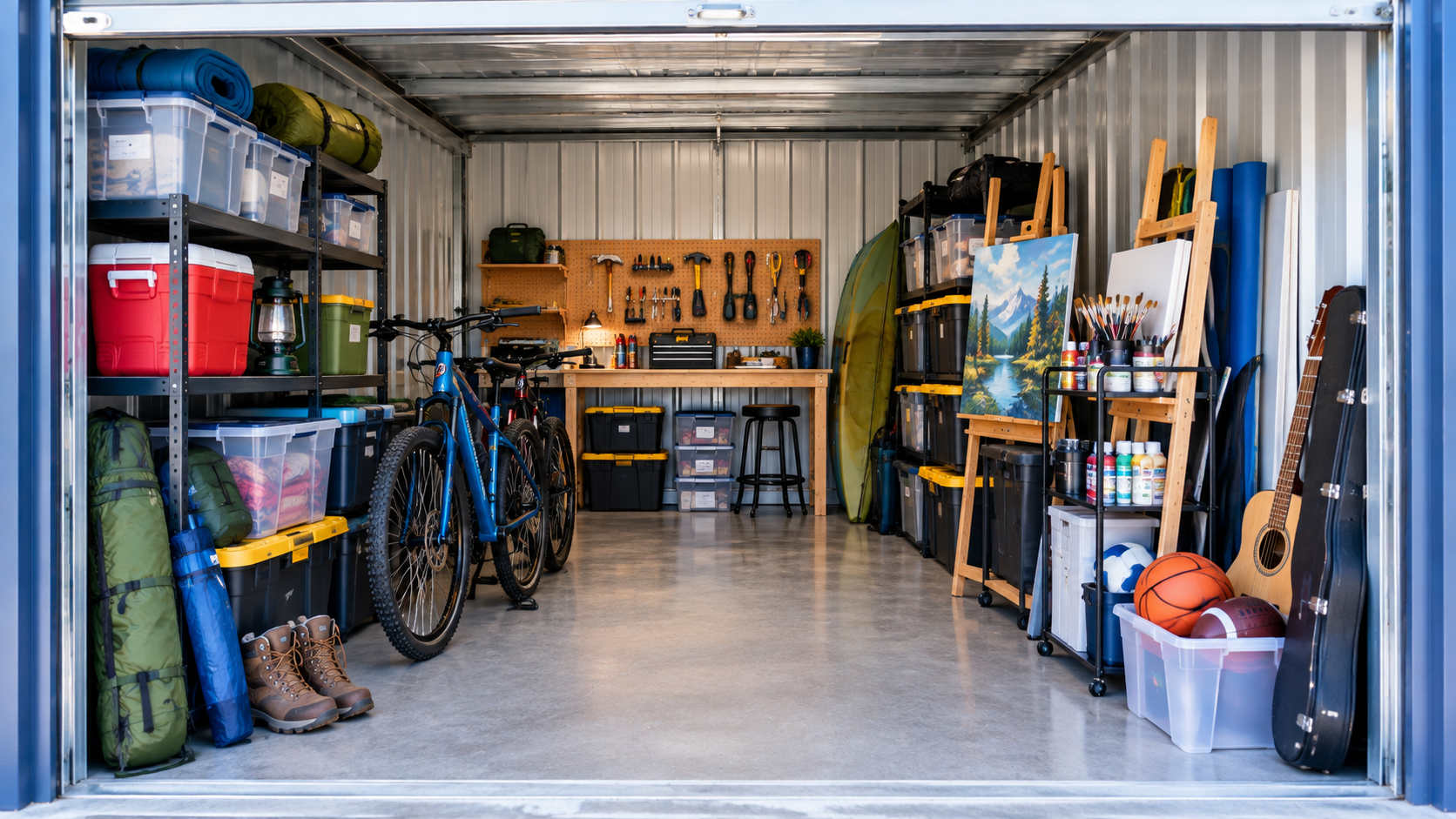
Retirement often creates more time for activities that were difficult to fit into a busy work schedule. Gardening, woodworking, crafting, and other hobbies may require equipment or supplies that take up considerable room at home. When moving into a smaller property, think about which hobbies you'll continue and how much space their equipment requires. Frequently used supplies should remain accessible, while seasonal materials or larger items can be kept elsewhere when they aren't needed.
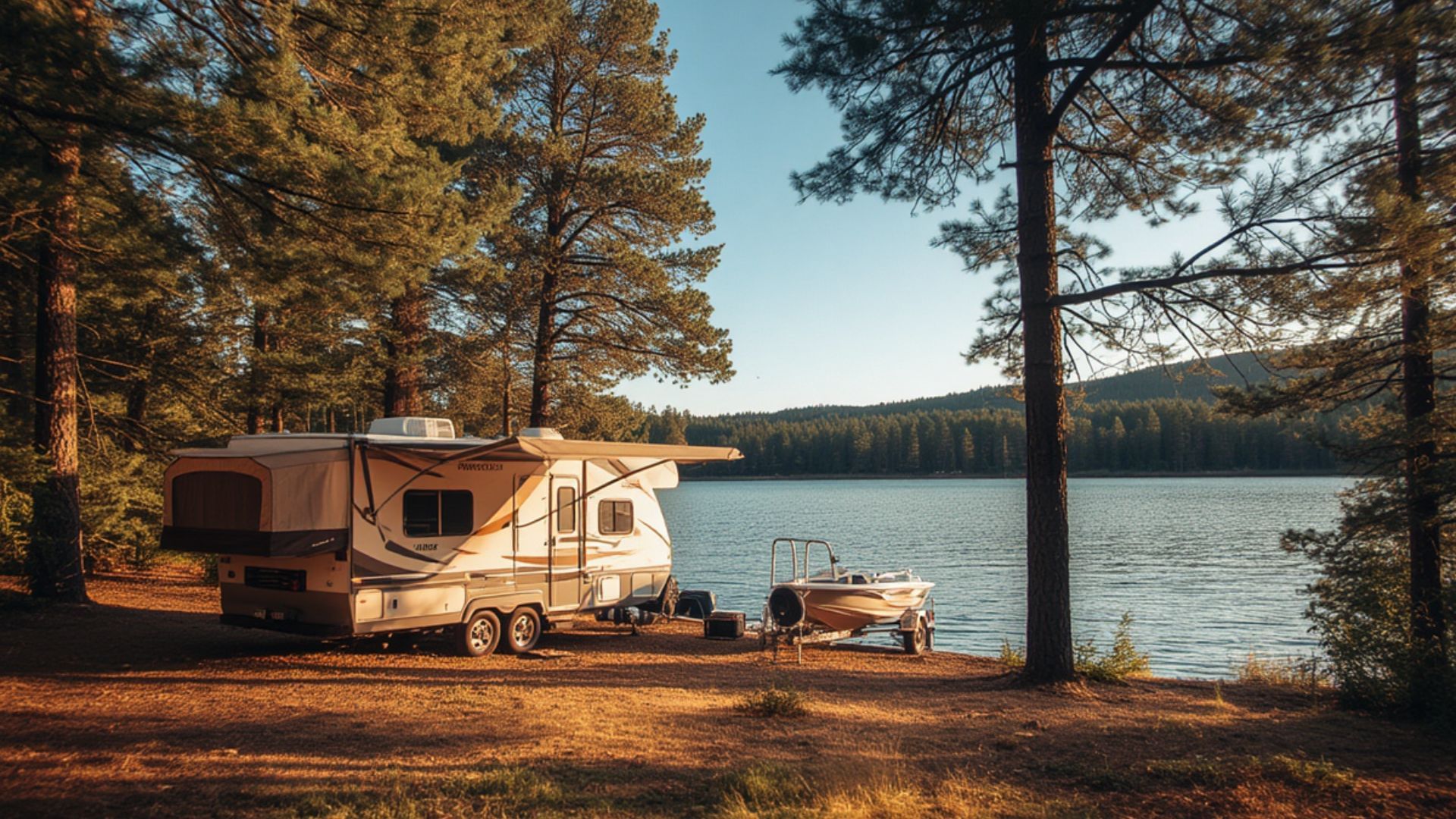
Our guide to organizing hobby equipment with self storage covers ways to organize supplies and choose a suitable space for different belongings. For retirees who plan to travel more frequently, parking can become another consideration. At Amherst Self Storage, we offer outdoor parking for RVs, boats, cars, and trailers. This is an option worth considering if your new home has limited driveway space or you no longer have a garage large enough for a recreational vehicle.
Avoid Common Downsizing Mistakes
One common mistake is waiting until moving week to begin sorting. Decisions about furniture, donations, and sentimental belongings take longer than packing everyday household items. Starting early gives you time to sell unwanted furniture and coordinate with family members who may want certain possessions. Another mistake is keeping everything simply because there's space available in a storage unit. While storage is useful during a move, paying to keep items you no longer want adds an unnecessary ongoing expense. Review what you're storing periodically and remove belongings once you've made a decision about them.
It's also important to consider the actual cost of downsizing. A smaller home may reduce certain housing expenses, but moving costs, furniture replacements, storage rental fees, and potential repairs can affect your budget. Compare these expenses before committing to a move so you have a realistic picture of what your new living arrangement will cost.
Settle Into Your Smaller Home Before Making More Decisions
Once you've moved, give yourself time to understand how the new space works. You may discover that a piece of furniture you expected to need isn't necessary, or that a particular room has enough space for something you originally planned to store. Unpack the belongings you use most frequently and establish a practical arrangement before bringing in additional items. Keep closets and walkways accessible, and avoid filling every available space simply because you still own more furniture. If you've placed possessions in storage, schedule a review after you've lived in your new home for a while. You'll have a clearer idea of which belongings deserve a permanent place and which can be donated, sold, or passed along to family members.
Find the Right Balance for Your Retirement in Manhattan
Downsizing after retirement is easier when you make decisions based on how you want to live rather than how much you've accumulated. A smaller home should have room for the furniture you use, the possessions you value, and the activities you plan to enjoy.
There's no need to make every decision before moving day. At Amherst Self Storage, we provide drive-up units, climate-controlled spaces, and outdoor vehicle parking for Manhattan residents who need additional room during a move or after settling into a smaller property. If you're still deciding what to keep at home, you can explore
storage options from Amherst Self Storage to compare available spaces and find an arrangement that suits your plans. Our online account management also lets you handle rental details and payments without an additional visit to the facility.