Park It Right: Preparing Your Vehicle for a Manhattan, KS Winter
Winter vehicle storage takes more preparation than finding an empty parking space. If your car or truck will sit unused for several months, its battery, tires, fluids, and exterior all need attention before you leave it parked. Cold temperatures make some of these concerns more important, especially when the vehicle won't be driven regularly.
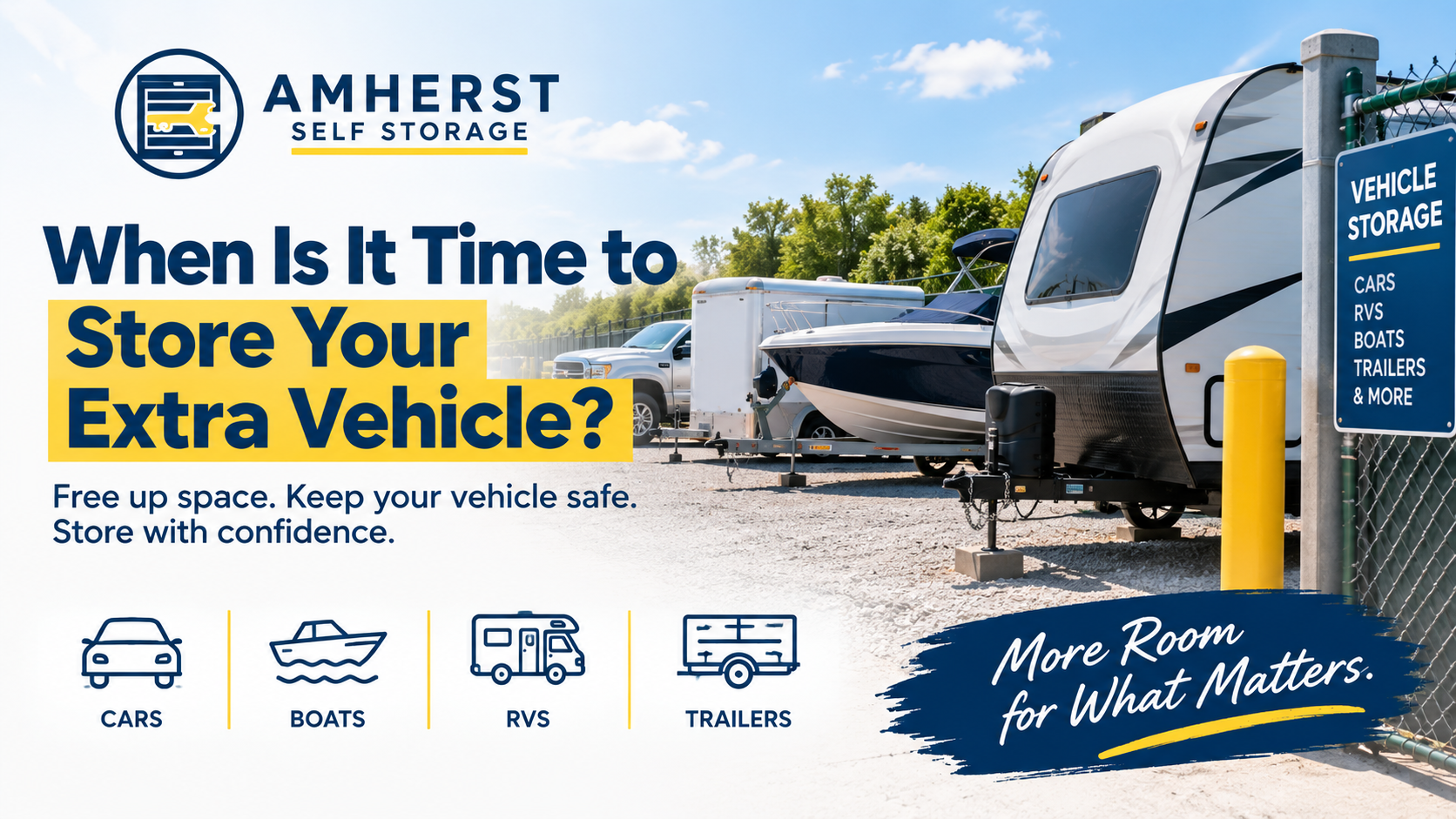
At Amherst Self Storage, we offer outdoor vehicle parking at our property on Plymate Lane in Manhattan, Kansas. For drivers who need to free up space at home during the colder months, our storage options in Manhattan, KS include designated outdoor parking for vehicles, RVs, and boats. The right preparation depends on how long your vehicle will sit and where you'll park it. Here's what to take care of before winter storage, along with what to consider when choosing a vehicle storage lot.
Why Winter Vehicle Storage Requires Some Planning
A vehicle that's driven every day gets regular use from its engine, brakes, tires, and charging system. Once it's parked for weeks or months, those components face different conditions. Batteries gradually lose charge, tires remain under pressure in the same position, and fuel can deteriorate during extended storage. Winter introduces another concern: freezing temperatures. A weak battery that started your car without trouble in September might struggle after sitting unused in January. Coolant that isn't properly mixed for freezing conditions can also cause serious engine damage.
For vehicle storage in Manhattan, KS, the goal is to address these problems before parking. A few maintenance checks can prevent expensive repairs when you're ready to drive again, especially if you won't be visiting the vehicle regularly throughout winter.
Clean and Protect Your Vehicle Before Parking
Wash the Exterior and Undercarriage
Start with a thorough wash, including the wheel wells and undercarriage. Road grime and salt residue shouldn't remain on painted or metal surfaces throughout an extended storage period. Dry the vehicle completely before covering it, and consider applying automotive wax to protect the paint.
Cleaning is particularly important if you've already driven through winter road conditions around Manhattan. Even if the vehicle looks reasonably clean from a distance, residue can collect underneath and around the wheels, where it's easier to overlook.
Clean the Interior and Remove Food
Vacuum the seats, floor mats, and cargo area before storage. Remove food wrappers, crumbs, and anything that could attract rodents. Check the glove compartment, center console, and trunk rather than concentrating only on the passenger seats.
Make sure carpets and upholstery are dry before closing the vehicle for an extended period. Moisture left inside can contribute to musty odors and mildew. A suitable automotive moisture absorber may be useful, provided it's placed securely and used according to its instructions.
Choose an Appropriate Vehicle Cover
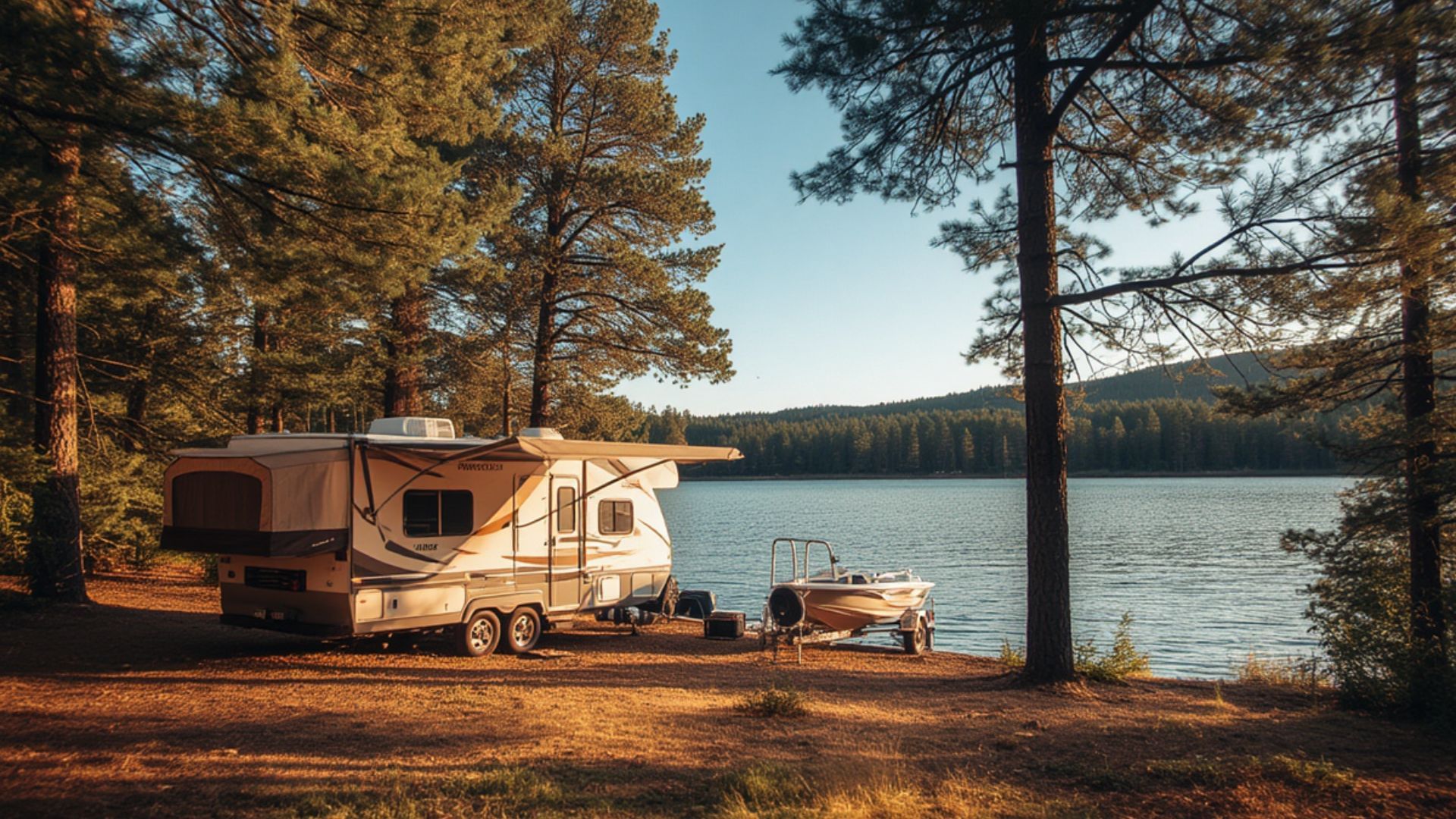
If you're using an outdoor vehicle storage lot, choose a cover specifically designed for exterior use. It should fit your vehicle closely, allow moisture to escape, and have a secure fastening system that prevents it from moving excessively in the wind.
Avoid placing a loose plastic tarp directly against the paint. A tarp that shifts can scratch the finish, while trapped moisture creates another problem. Always clean and dry the vehicle before installing its cover, and follow the manufacturer's instructions for securing it.
Check Your Battery Before Winter Storage
A discharged battery is one of the most common problems drivers encounter when retrieving a vehicle after an extended parking period. Even when the ignition is off, some vehicle electronics continue drawing small amounts of electricity. According to AAA's guidance on car battery life, batteries naturally self-discharge while vehicles remain parked. A battery maintainer designed for extended storage can preserve the charge, provided there's an approved and safe power connection available.
For outdoor parking without electrical access, consult your vehicle's owner's manual about disconnecting the battery or removing it for appropriate storage elsewhere. Disconnecting isn't suitable for every vehicle, and some electronic systems require special procedures. Before parking, inspect the battery terminals for corrosion and consider having an older battery tested. A weak battery is better addressed before winter than discovered when you're ready to retrieve the vehicle.
Prepare the Fuel System and Check Fluids
Fill the Fuel Tank and Consider a Stabilizer
For a gasoline-powered vehicle that will sit through winter, filling the fuel tank with fresh gasoline reduces the air space where condensation can develop. A fuel stabilizer may also be appropriate for extended storage, depending on the engine and manufacturer's recommendations.
Follow the stabilizer instructions carefully, including the recommended quantity and any required engine operation before storage. Diesel vehicles, hybrids, and other powertrains may have different requirements, so don't assume the same preparation applies to every vehicle.
Check Coolant and Engine Oil
Engine coolant deserves particular attention before a Kansas winter. Have its concentration and condition checked to confirm that it provides adequate freeze protection. Simply seeing fluid in the reservoir doesn't tell you whether the mixture is suitable for freezing temperatures.
Check your engine oil and follow the manufacturer's maintenance schedule. If an oil change is due, complete it before storage rather than leaving contaminated oil in the engine for several months. Inspect other essential fluids, including brake fluid and windshield washer fluid, and address any visible leaks before parking.
Protect Tires From Long Periods of Inactivity
Tires gradually lose air pressure, and extended parking leaves the vehicle's weight resting on the same sections of rubber. This can contribute to temporary flat spots, particularly when a vehicle sits through colder temperatures. Inflate the tires to the vehicle manufacturer's recommended cold inflation pressure before storage. Don't exceed the tire or vehicle limits in an attempt to prevent flat spotting. Check the pressure again before returning the vehicle to regular use.
For particularly long storage periods, consult your vehicle or tire manufacturer about additional precautions. If the vehicle must be moved occasionally, it should be done safely and in accordance with the property's access and operating rules.
Consider the Parking Brake and Wheel Position
Leaving the parking brake engaged for several months can create problems if moisture causes brake components to stick. Some conventional vehicles can be secured with appropriate wheel chocks instead, but the correct procedure depends on the vehicle's transmission, braking system, and parking surface. Consult the owner's manual before deciding how to secure the vehicle. Electronic parking brakes and certain transmissions have specific requirements that shouldn't be overridden by general storage advice.
Park on an approved, stable surface, and make sure the vehicle is fully secured before leaving. Don't attempt to lift the vehicle onto stands or perform major mechanical work at a storage property without confirming that the activity is permitted.
Choosing a Vehicle Storage Lot in Manhattan, KS
Not every parking option provides the same type of protection. Outdoor vehicle storage gives you a designated place to park, but the vehicle remains exposed to seasonal temperatures and precipitation. An enclosed garage offers different protection, so it's important to understand what you're renting before making arrangements.
At our Manhattan facility, we provide outdoor parking for cars, RVs, boats, and trailers. Our property is located at 200 Plymate Lane, just south of Fort Riley Boulevard. We also have a fenced and gated property with security cameras, and renters have gate access daily from 5:00 AM to 11:00 PM.
Measure Your Vehicle Before Reserving Parking
Before selecting a parking space, measure your vehicle's complete length and width, including any accessories that extend beyond the body. For trucks and trailers, account for hitches, racks, and attached equipment. Confirm the dimensions and current availability of the parking space before renting.
Our guide to outdoor vehicle, RV, and boat parking in Manhattan explains how to evaluate parking needs, vehicle dimensions, and access. It's a useful resource if you're deciding between keeping an extra vehicle at home and using a dedicated parking area.
Think About How Frequently You'll Need Access
A vehicle parked for the entire winter has different access requirements from one you'll retrieve occasionally. Consider your planned visits before choosing a space, particularly if you'll need to inspect the vehicle or perform maintenance during storage.
Our daily gate access hours give renters a defined window for visiting their parked vehicles. If you expect to retrieve your car early in the morning or later in the evening, knowing those hours ahead of time will help you plan.
What to Do While Your Vehicle Is in Storage
Avoid Starting the Engine for Only a Few Minutes
Some drivers believe that starting a stored vehicle occasionally is enough to keep it in good condition. But running the engine briefly without driving may not bring it to its proper operating temperature, and it won't necessarily recharge the battery. If you intend to leave the vehicle parked for several months, follow the manufacturer's long-term storage recommendations rather than relying on occasional engine starts.
Inspect the Vehicle When You Visit
If you visit your vehicle during winter, look for signs of damage, moisture inside the cabin, or evidence of rodents. Check that the cover remains properly secured and hasn't started rubbing against the paint.
For longer storage periods, inspect the tires and watch for visible fluid leaks. If you discover a mechanical problem, arrange for the appropriate repair before driving the vehicle. Avoid performing maintenance at the storage lot without confirming the property's rules.
Getting Your Vehicle Ready to Drive Again
When winter storage ends, don't assume your vehicle is immediately road-ready. Remove its cover and inspect the exterior, tires, and undercarriage. Check under the hood for signs of nesting animals or damaged wiring, especially if the vehicle has been parked outdoors for several months. Check tire pressure, engine oil, coolant, and other essential fluids before starting the engine. If the battery was disconnected, reconnect it according to the manufacturer's instructions. If it was removed or discharged, make sure it's properly installed and charged before attempting to start the vehicle.
Once the engine is running, pay attention to warning lights and unusual sounds. Test the brakes carefully before entering traffic, and take the first drive at a moderate pace. If the brakes feel abnormal or a warning light remains illuminated, have the vehicle inspected rather than continuing to drive.
Planning Vehicle Storage Around a Move or Seasonal Change
Winter vehicle storage sometimes overlaps with a move, particularly when parking space is limited at a temporary residence. Keeping an extra vehicle in a designated lot can free up a driveway while household belongings are being packed, transported, or unpacked. If you're coordinating a relocation, our article on using short-term storage between homes explains how a separate storage unit can help manage furniture and other belongings during the transition.
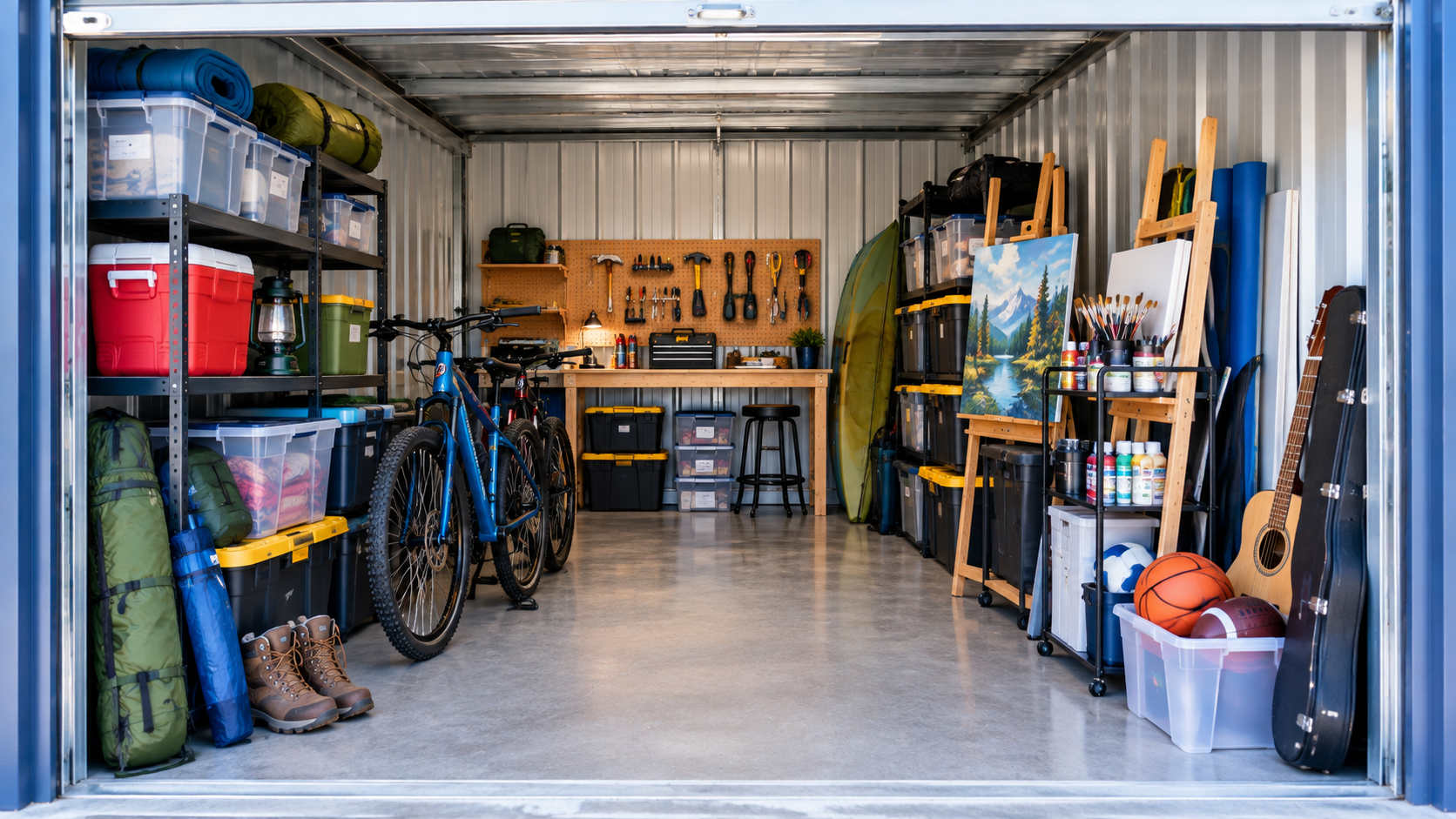
At Amherst Self Storage, we offer both outdoor vehicle parking and enclosed storage units for household items. Our drive-up units are intended for convenient loading and unloading, while our climate-controlled units provide a more consistent environment for belongings that are sensitive to temperature changes. Vehicle parking and enclosed storage serve different purposes, so the right arrangement depends on what you need to store.
Make Winter Parking Arrangements Before Your Vehicle Sits Idle
The most useful winter storage preparation happens before the vehicle is parked. Taking care of its battery, fuel, tires, and fluids reduces the chance of discovering a problem after months of inactivity. For outdoor parking, a properly fitted cover and periodic inspections are also worth considering. At Amherst Self Storage, our outdoor parking provides a dedicated place for vehicles that don't need to occupy a driveway throughout the season. Renters comparing parking spaces and enclosed units can explore storage options from Amherst Self Storage to understand the available services.
Our rental and availability page also provides information about current storage choices, including
vehicle parking. Checking availability and confirming the appropriate space before winter arrives will give you time to prepare the vehicle properly.