Moving Soon? Pack Like the Pros With These 10 Smart Packing Tips That Make Moving Day Easier
Packing for a move is often much more involved than people expect. At first, it may seem as simple as placing belongings into boxes and loading them into a moving truck. However, once you begin opening closets, clearing out cabinets, and sorting through years of accumulated possessions, it quickly becomes clear that successful packing requires planning, organization, and patience. Without a strategy, even a relatively small move can become overwhelming, leading to misplaced belongings, damaged valuables, and unnecessary stress when it's finally time to unpack. Fortunately, professional movers have developed proven methods that make the packing process much more efficient. They know how to protect fragile items, maximize box space, label everything clearly, and organize belongings so that unpacking is just as smooth as packing. While you may not move every day as they do, you can still apply many of these same techniques to make your own move significantly easier.
Another way to simplify your move is by giving yourself additional space during the transition. If your moving dates do not perfectly align, if you're waiting on renovations to finish, or if you simply want to reduce the amount of clutter surrounding you during the process, having access to storage options in Manhattan, KS can provide valuable flexibility. Likewise, understanding how much storage you'll actually need before packing can prevent unnecessary expenses, which is why reviewing this helpful storage unit size guide before your move can save both time and money. Rather than scrambling during the final few days before moving, taking a thoughtful approach from the beginning allows every step to feel more manageable. The following professional packing tips will help you protect your belongings, stay organized throughout your move, and make settling into your new home much less stressful.
Key Points for Readers Short on Time
- Create a packing plan several weeks before moving day instead of waiting until the last minute.
- Invest in sturdy moving boxes and quality packing materials to better protect valuable belongings.
- Pack one room at a time and label every box with detailed information to simplify unpacking.
- Declutter before packing so you only move the items you truly want to keep.
- Organize storage thoughtfully if some belongings will remain packed after moving.
Why Packing Like a Professional Saves Time, Money, and Stress
Professional movers often make packing look effortless, but their efficiency isn't simply the result of experience. Instead, it's the product of following organized systems that have been refined over thousands of moves. Every box has a purpose, every item is packed intentionally, and every step is completed in a logical sequence. As a result, they spend less time searching for supplies, repacking damaged boxes, or trying to remember where important items were placed. You can achieve many of these same benefits by slowing down and approaching your move with a plan rather than reacting to it one room at a time. Good organization reduces the chances of accidentally packing items you'll need immediately, minimizes the risk of breakage during transportation, and helps ensure that unpacking feels organized instead of chaotic.
Furthermore, proper packing becomes even more valuable if some of your belongings will spend time in storage. Well-packed boxes maintain their shape more effectively, stack safely inside a storage unit, and better protect their contents during longer storage periods. Whether your items remain stored for a few weeks or several months, careful preparation helps preserve their condition until you're ready to use them again.
1. Start With a Detailed Packing Plan Instead of Packing Randomly
One of the most common mistakes people make is beginning to pack without any clear strategy. It's understandable why this happens. When moving day starts approaching, it feels productive to simply grab empty boxes and begin filling them. However, packing random items from multiple rooms almost always creates confusion later, making both loading and unpacking much more difficult than necessary. Instead, begin by creating a simple timeline several weeks before your move. Walk through your home and identify which belongings you use every day and which can be packed early. Seasonal decorations, books, decorative items, guest room furniture, and out-of-season clothing are usually excellent places to begin because they won't interfere with your daily routine.
As your timeline develops, estimate approximately how many boxes each room will require. This helps you purchase enough supplies before packing begins, preventing constant trips to the store when you're already busy. It also allows you to organize your workspace, giving each room its own stack of boxes, tape, packing paper, and markers. Another advantage of planning is that you'll have more opportunities to recognize situations where temporary storage may simplify your move. Instead of trying to fit every belonging into your new home immediately, you may choose to temporarily store furniture, seasonal items, or family heirlooms until you've fully settled into your new space. Ultimately, investing just a little time in planning creates a smoother experience throughout the entire moving process and significantly reduces last-minute stress.
2. Invest in Quality Packing Supplies Because They Truly Matter
Although it can be tempting to save money by collecting free boxes from grocery stores or reusing old shipping cartons, not every box is designed to withstand the weight and movement involved during a household move. Boxes that have weakened from previous use may collapse unexpectedly, while inexpensive packing tape can lose its grip under heavy loads. Professional movers understand that quality supplies serve as inexpensive insurance for valuable belongings. Spending a little more on sturdy boxes and durable packing materials often prevents costly damage later.
Some of the most useful packing supplies include:
- Heavy-duty moving boxes in several different sizes
- Packing paper for dishes and delicate glassware
- Bubble wrap for fragile collectibles and electronics
- Strong packing tape designed specifically for moving
- Permanent markers for clear labeling
- Stretch wrap for furniture and drawers
- Mattress bags and furniture covers to reduce dust accumulation
Equally important is choosing the right size box for each category of belongings. Smaller boxes should hold heavier items such as books, canned goods, tools, or small appliances because they are easier to lift safely. Larger boxes work much better for lightweight belongings, including pillows, blankets, linens, lampshades, and clothing. The American Moving & Storage Association also provides additional guidance for choosing quality moving supplies and protecting household belongings throughout the relocation process. When every box is properly supported and securely sealed, you'll have much greater confidence that your belongings will arrive safely at their destination.
3. Declutter Before You Pack So You Only Move What Truly Matters
Packing every item you own without first deciding whether you still need it creates unnecessary work from beginning to end. Every unwanted object takes up valuable box space, adds weight during transportation, and eventually needs to be unpacked, even if it ultimately ends up being donated months later. Instead, use your upcoming move as an opportunity to thoughtfully evaluate your belongings. As you move from room to room, ask yourself whether each item still serves a purpose in your daily life or whether it's simply taking up space because you've never gotten around to sorting through it.
Many homeowners discover they own duplicate kitchen utensils, outdated electronics, clothing that no longer fits, unused exercise equipment, or decorative pieces that haven't been displayed in years. Eliminating these items before packing not only reduces moving expenses but also allows your new home to feel more organized from the very beginning. Rather than trying to declutter your entire house in one weekend, break the project into smaller sessions. Completing one closet, one cabinet, or one room at a time feels much more manageable and helps you make thoughtful decisions without becoming overwhelmed. As you reduce the number of belongings you'll be moving, you'll likely find that packing becomes faster, loading the moving truck becomes easier, and unpacking in your new home requires far less effort.
4. Pack One Room Completely Before Moving to the Next
After gathering your supplies and creating a plan, it can be tempting to bounce from room to room whenever you find something that could be packed. Unfortunately, this habit often leads to boxes filled with unrelated items from different areas of the home, making it much more difficult to locate anything later. Professional movers almost always complete one room before beginning another because it creates a natural organizational system that carries through the entire moving process.
For example, when you finish packing your dining room before touching the kitchen, every dining room box stays together. When moving day arrives, these boxes can be unloaded directly into the correct room without requiring additional sorting. Later, when you're unpacking, you won't have to search through dozens of mixed boxes just to find your table linens or serving dishes. This method also provides valuable motivation. Every completed room becomes visible progress, helping the overall project feel achievable instead of endless. As more rooms are finished, your home gradually transforms into an organized moving project rather than a collection of half-packed spaces. If you're planning to place some belongings into storage during your move, room-by-room organization continues to pay off. Clearly grouped boxes make it much easier to retrieve exactly what you need without disturbing everything else stored nearby.
5. Label Every Box With Detailed Information Instead of Just a Room Name
Many people write a single word like "Kitchen" or "Bedroom" on the outside of their moving boxes and assume that's enough information. While this certainly provides a starting point, it doesn't tell you what's actually inside once dozens of similar boxes begin piling up. Professional movers recommend treating labels as small inventories rather than simple room identifiers. The extra minute you spend labeling each box can easily save several hours once you begin unpacking. Consider including information such as the destination room, a short list of the primary contents, whether the items are fragile, which direction the box should remain upright, and how urgently you'll need those belongings after arriving at your new home. For example, a label reading "Kitchen, Coffee Maker, Mugs, Breakfast Supplies, Open First" is far more useful than simply writing "Kitchen."
You may also find it helpful to assign numbers to your boxes while keeping a corresponding checklist. This simple inventory makes it easier to verify that every box arrived safely and helps you quickly locate specific belongings if they're needed before you've completely unpacked. As your move progresses, these detailed labels continue to save time because family members, friends, or professional movers can immediately identify where each box belongs. Instead of repeatedly answering questions about where things should go, everyone involved can work more efficiently, making moving day feel much more organized from start to finish.
6. Give Fragile Items the Protection They Deserve
Packing fragile belongings requires more than simply wrapping them in newspaper and hoping for the best. Even during a carefully planned move, boxes shift while being carried, loaded into a moving truck, or stacked inside a storage unit. Taking a few extra minutes to cushion delicate items can make the difference between unpacking treasured possessions intact and discovering cracked dishes or broken keepsakes. Start by wrapping each fragile item individually with packing paper or bubble wrap. Glasses should be wrapped one at a time, while plates are best packed vertically rather than stacked flat because this reduces pressure on their surfaces. Decorative pieces, picture frames, and small electronics should also be surrounded by cushioning material on every side. Once the items are inside the box, fill any empty spaces with packing paper so nothing moves during transport.
Another helpful habit is to avoid making fragile boxes too heavy. Although it may seem efficient to fill every inch of available space, overloaded boxes are more difficult to carry and more likely to be dropped accidentally. Instead, keep them at a manageable weight and clearly mark them as fragile so everyone helping with the move knows they require extra care. If some of these valuables will remain in storage for an extended period, choosing the right environment becomes just as important as packing them properly. Items such as family photographs, artwork, wooden furniture, musical instruments, electronics, and important documents often benefit from more stable storage conditions. This guide explaining climate-controlled storage versus regular storage provides additional information about when climate-controlled storage may be the better choice.
7. Pack an Essentials Box That Stays With You
No matter how organized your move is, you probably will not unpack every box on the first day. After hours of loading, unloading, and arranging furniture, most people simply want to relax rather than search through dozens of boxes looking for a toothbrush or a phone charger. That is why professional movers almost always recommend preparing one clearly labeled essentials box that remains with you throughout the move. Think about everything you are likely to need during the first twenty-four hours in your new home. This usually includes medications, toiletries, chargers for electronic devices, important paperwork, basic cleaning supplies, pet necessities, snacks, bottled water, a change of clothes, and perhaps a coffee maker if you enjoy starting your morning with a familiar routine. Keeping these items together eliminates unnecessary stress when you are already tired from moving.
It is also a good idea to store valuable documents separately from the rest of your household belongings. Birth certificates, passports, financial records, insurance information, and moving contracts should travel with you rather than inside the moving truck. Having these documents readily available provides peace of mind and ensures they are easy to access if needed during your move. Although preparing an essentials box may seem like a small task, it often becomes one of the most appreciated decisions you make once moving day arrives.
8. Avoid Overpacking Boxes Even If You Have Extra Space
Many people assume that filling every box is the most efficient approach because it reduces the total number of boxes needed. However, professional movers know that there is a balance between maximizing space and keeping boxes safe to lift. Heavy items should always be distributed among several smaller boxes rather than concentrated into one oversized container. Books provide one of the best examples. A large box filled with hardcover books can become surprisingly difficult to lift, increasing the risk of injury and placing unnecessary strain on the bottom of the box. Dividing those books into several smaller boxes makes them safer to carry while protecting both your belongings and the people helping with your move.
Likewise, avoid leaving boxes partially open with loose items sticking above the top. Boxes should close securely without bulging, allowing them to stack evenly inside the moving truck or storage unit. Stable stacks reduce shifting during transportation and make better use of available space. As you continue packing, remember that efficiency is not measured by how few boxes you use. Instead, success comes from creating boxes that are organized, manageable, and capable of protecting their contents throughout every stage of the move.
9. Take Photos Before Disconnecting Electronics
Technology has become an important part of nearly every home, and with that comes an increasing number of cables, chargers, and accessories. Home entertainment systems, desktop computers, gaming consoles, printers, and smart home devices often involve multiple cords connected in ways that can be surprisingly difficult to remember once everything has been unplugged. Fortunately, one of the easiest packing tips requires nothing more than your smartphone. Before disconnecting electronics, take several clear photos showing how each cable connects to the device. Capture multiple angles if necessary so you have a complete visual reference when setting everything up again.
After disconnecting the cords, place them in labeled resealable bags and keep them together with their matching equipment whenever possible. If several similar cables belong to different devices, adding small labels or pieces of painter's tape can prevent unnecessary confusion later. This simple habit takes only a few minutes, yet it can save hours of frustration once you begin unpacking. Instead of guessing where every cable belongs, you will have an easy reference that allows you to reconnect your electronics quickly and confidently.
10. Organize Your Storage Unit Like an Extension of Your Home
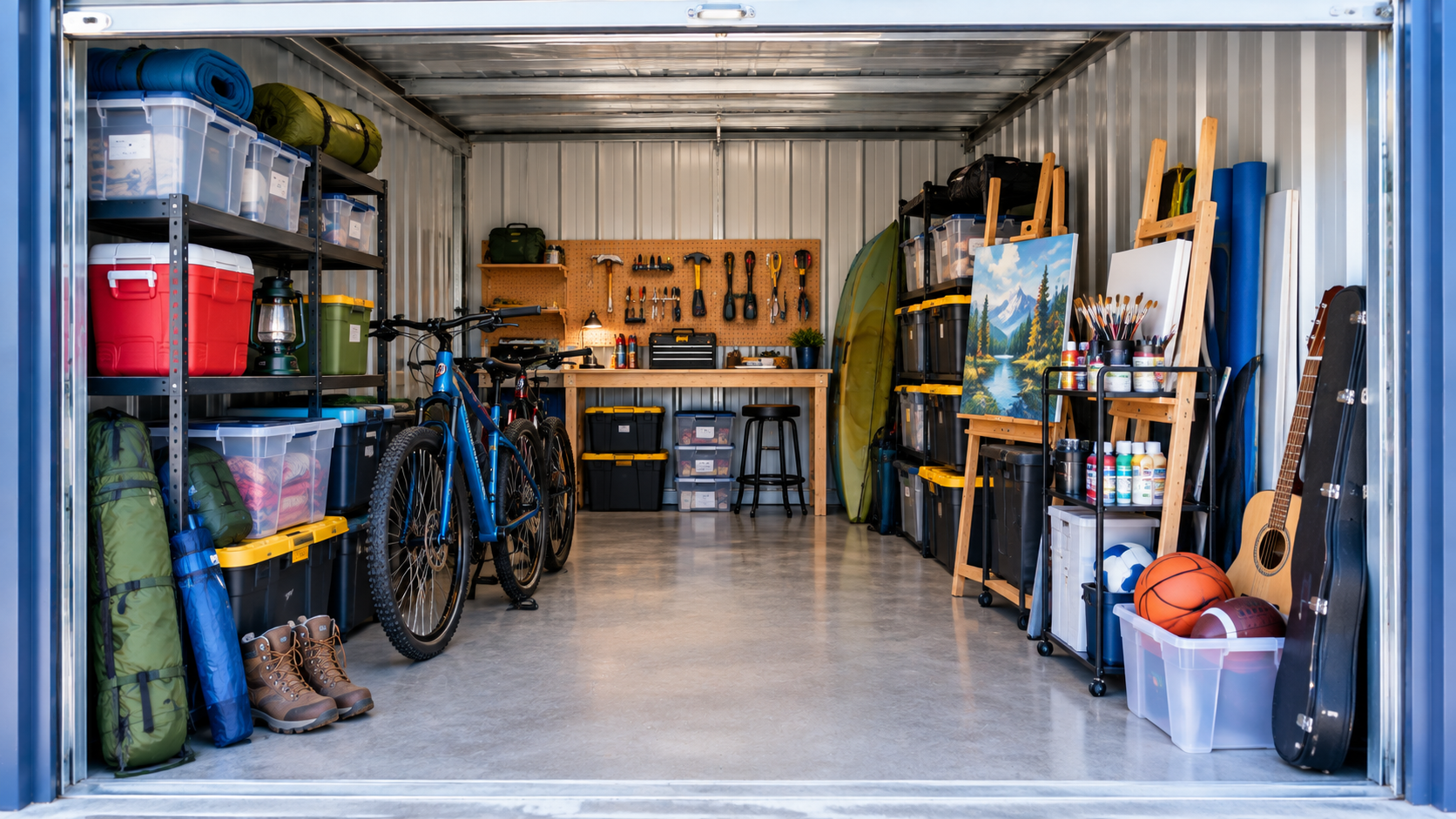
If your move includes a period of self-storage, resist the temptation to treat the storage unit as a place where everything is stacked as quickly as possible. While it may seem convenient at first, randomly filling a storage unit often creates unnecessary work every time you need to retrieve something. Instead, think of your storage unit as another organized room in your home. Begin by placing heavier, sturdier boxes on the bottom and lighter boxes above them to create stable stacks. Furniture should be covered to reduce dust accumulation, while mattresses should be stored according to manufacturer recommendations and protected with appropriate covers.
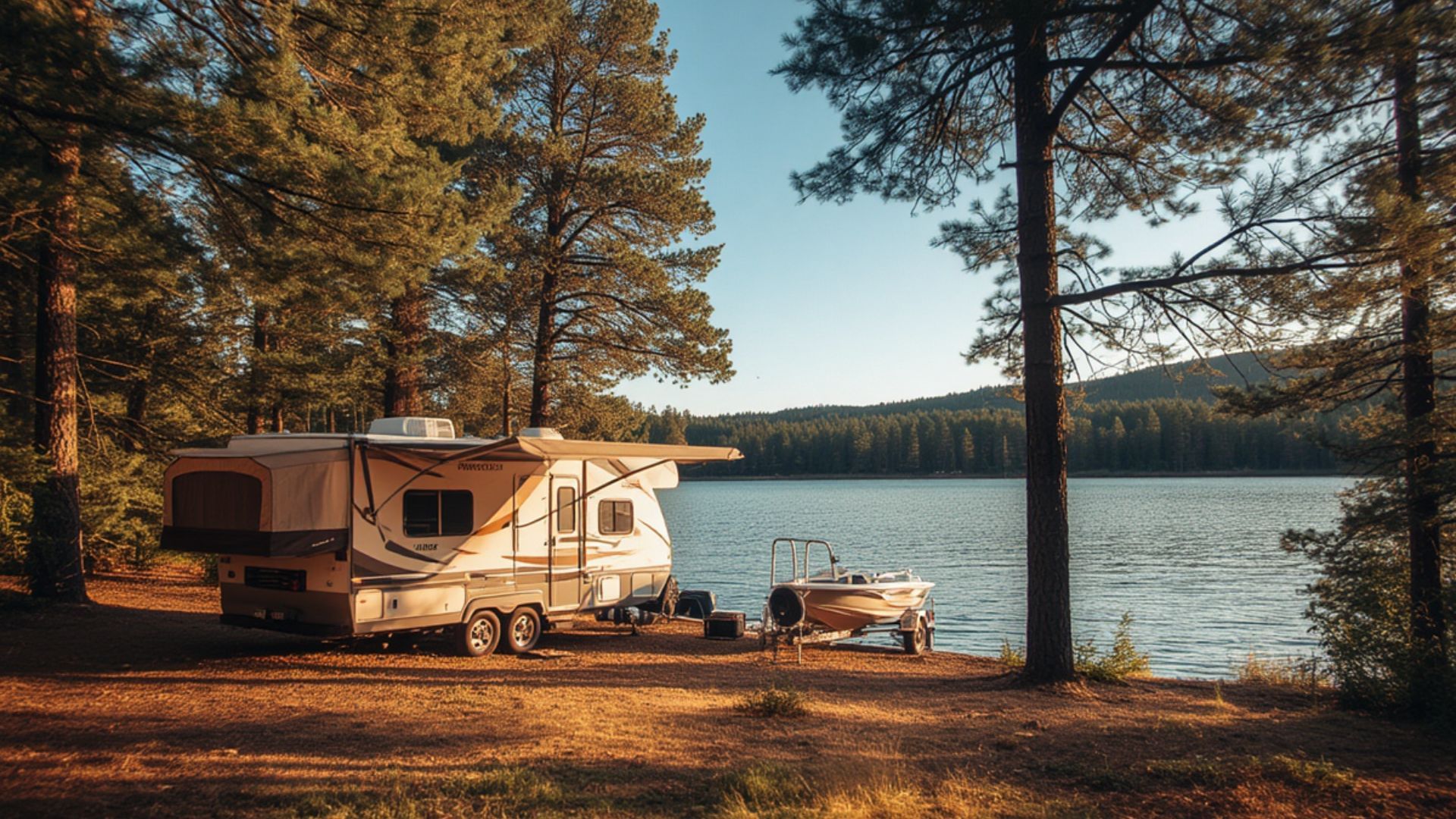
One of the most valuable strategies is leaving a narrow walkway through the center of the unit whenever space allows. This simple pathway gives you access to boxes at the back without forcing you to unload everything in front first. Frequently used belongings, seasonal decorations, hobby equipment, or important files should remain near the entrance, while long-term storage items can be placed farther inside. If your move also involves an extra vehicle, camper, boat, or recreational vehicle, planning is equally important. Rather than trying to find space at home, this article explains when outdoor vehicle, RV, and boat parking makes sense in Manhattan, KS, and explores situations where dedicated vehicle storage may provide additional convenience and flexibility. Taking time to organize your storage space properly from the beginning makes future visits much easier and helps ensure your belongings remain accessible whenever you need them.
Settling Into Life in Manhattan, Kansas
Once the moving truck has been unloaded and the boxes begin disappearing, it is time to enjoy everything that makes Manhattan, Kansas, such a welcoming place to call home. Often referred to as the "Little Apple," the city offers a blend of outdoor recreation, cultural attractions, and community events that appeal to residents throughout the year. Nature enthusiasts can spend time exploring the scenic trails of the Konza Prairie Biological Station, where miles of hiking paths showcase one of the largest remaining tracts of native tallgrass prairie in North America. Those looking for boating, fishing, hiking, or camping opportunities can also enjoy nearby Tuttle Creek State Park, which provides plenty of space for outdoor recreation just a short drive from the city. Downtown Manhattan features locally owned restaurants, coffee shops, boutiques, and seasonal events that make it easy for newcomers to become part of the community. Throughout the year, residents can also enjoy festivals, live entertainment, farmers' markets, and family-friendly activities that highlight the area's vibrant atmosphere. For additional information about attractions, parks, dining, and local events, the official Manhattan tourism website offers an excellent starting point.
If you enjoy exploring Kansas history and regional culture, the Kansas Historical Society also provides valuable resources about historic sites, museums, and educational opportunities across the state. Becoming familiar with your new surroundings is one of the most rewarding parts of moving. The more organized your packing process is, the sooner you can spend your time discovering everything your new community has to offer instead of searching through unopened boxes.
Packing like a professional is not about working faster. Instead, it is about making thoughtful decisions before the first box is sealed. Creating a detailed packing plan, investing in quality supplies, organizing one room at a time, protecting fragile belongings, and labeling everything clearly all contribute to a smoother moving experience. While each tip may seem relatively small on its own, together they create a system that reduces stress, protects your belongings, and makes unpacking far more enjoyable.
In addition, remember that moving does not always have to happen all at once. Sometimes the easiest transition comes from giving yourself extra space and extra time. Keeping seasonal items, extra furniture, or belongings you do not immediately need in storage can make your new home feel organized from the very beginning rather than crowded with unopened boxes. For anyone planning a move in the area, exploring storage options in Manhattan, KS, can provide added flexibility throughout the moving process. Before deciding how much space you'll need, reviewing the storage unit size guide can also help you select a unit that comfortably fits your belongings while making the most of your storage investment. With a little preparation and an organized approach, moving day can become the beginning of an exciting new chapter instead of a stressful finish to the last one.